- UFC Conor McGregor sets UFC return date on historic White House card
- UFC Conor McGregor interrupted by anti-doping test on holiday: "I piss excellence"
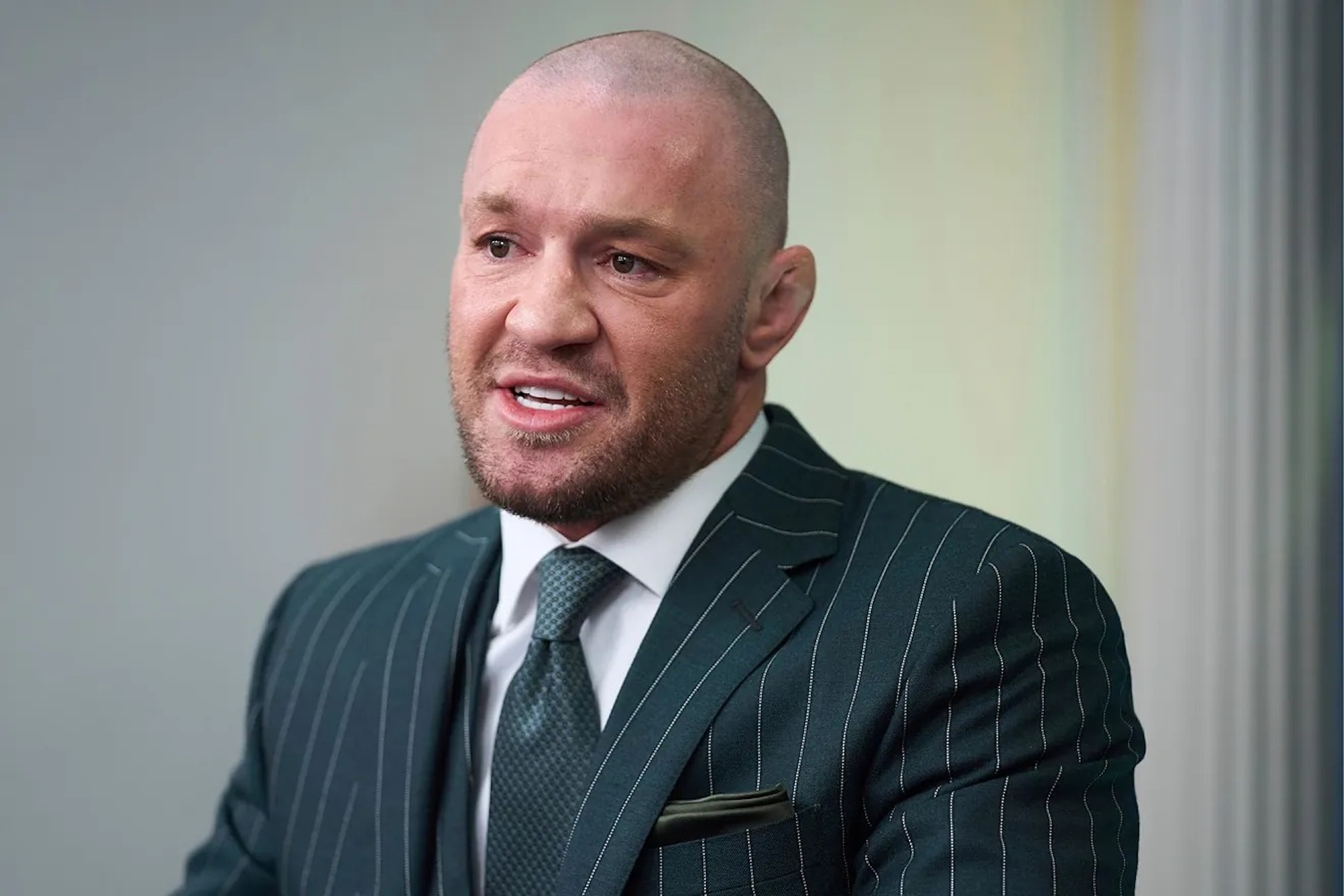
Conor McGregor's leap from the cage to the campaign trail entered new territory this week.
As he fights to secure a place on the ballot for Ireland's presidential election, McGregor adopted similar populist messaging to Donald Trump-while securing an unlikely endorsement from tech billionaire Elon Musk.
In a populist video posted to Instagram, McGregor positioned himself as the voice of the working class, stating: "The working man/woman is the real hero! Under my tenure, workers will be supported and rewarded! Enough of funding imported leeches with the taxes of Ireland's hardworking citizens."
That was followed by: "We reward effort, not entitlement! It is time we grow and support our workforce, past, present, and future! My competitors say it can't be done; I say WATCH ME! Vótáigh Conchúir Mac Gréagóir."
This message-combining grassroots appeal with confrontational populism-echoes Trump's famous drive-through at McDonald's, a stunt designed to humanize a political image through accessibility rather than decorum.
Elon Musk steps in-one FaceTime at a time
The campaign took another left turn when McGregor shared a FaceTime screenshot with Elon Musk. Musk followed it up by tweeting: "No one will fight harder for the people of Ireland than Conor McGregor!"
The post added immediate international attention, amplifying the notion that McGregor's candidacy isn't merely political-it's a spectacle.
Yet McGregor's path to the ballot is still fraught. Under Irish law, a candidate must secure endorsement from either 20 Oireachtas members or four county councils. As of now, he has not publicly lined up any such support. Political analysts remain skeptical, as many see his candidacy as more performance art than serious campaign.
Even Irish leaders have pushed back. His anti-immigration remarks made at the White House last March-when he warned Ireland is "on the cusp of losing its Irishness"-were rebuked by Taoiseach Micheál Martin, who said such statements "do not reflect the spirit of St. Patrick's Day or the values of the Irish people."
Still, McGregor continues an unorthodox trajectory-leaning on international celebrities rather than domestic politicians, pushing populist rhetoric, and positioning himself as a bulletin-board candidate for anti-establishment voters.
Political fallout and personal reinvention
McGregor's campaign underscores how celebrity-driven populism can disrupt even dignified institutions.
His embrace of working-class imagery, his affinity with influencers like Musk and Trump, and his combative posture toward traditional politics-all point to a campaign designed to be audacious from day one.
But real questions remain: Can he secure the requisite nominations by the September deadline? And even if he does, will voters take his bid seriously-or relegate it to spectacle?
Regardless, this development signals a broader trend: in today's political climate, reality and performance blur-and McGregor, gloves off and campaign hat on, is leaning into both.