- NFL. How realistic is it for NFL stars to play Olympic flag football in 2028?
- More Sports. McEvoy: "It's ridiculous that earning a world record earns you nothing, but doping gets you more than a million"
The International Olympic Committee announced on Thursday a new Policy on the Protection of the Female Category in Olympic Sport, which will come into force for the next Games in Los Angeles 2028 and will not be retroactive.
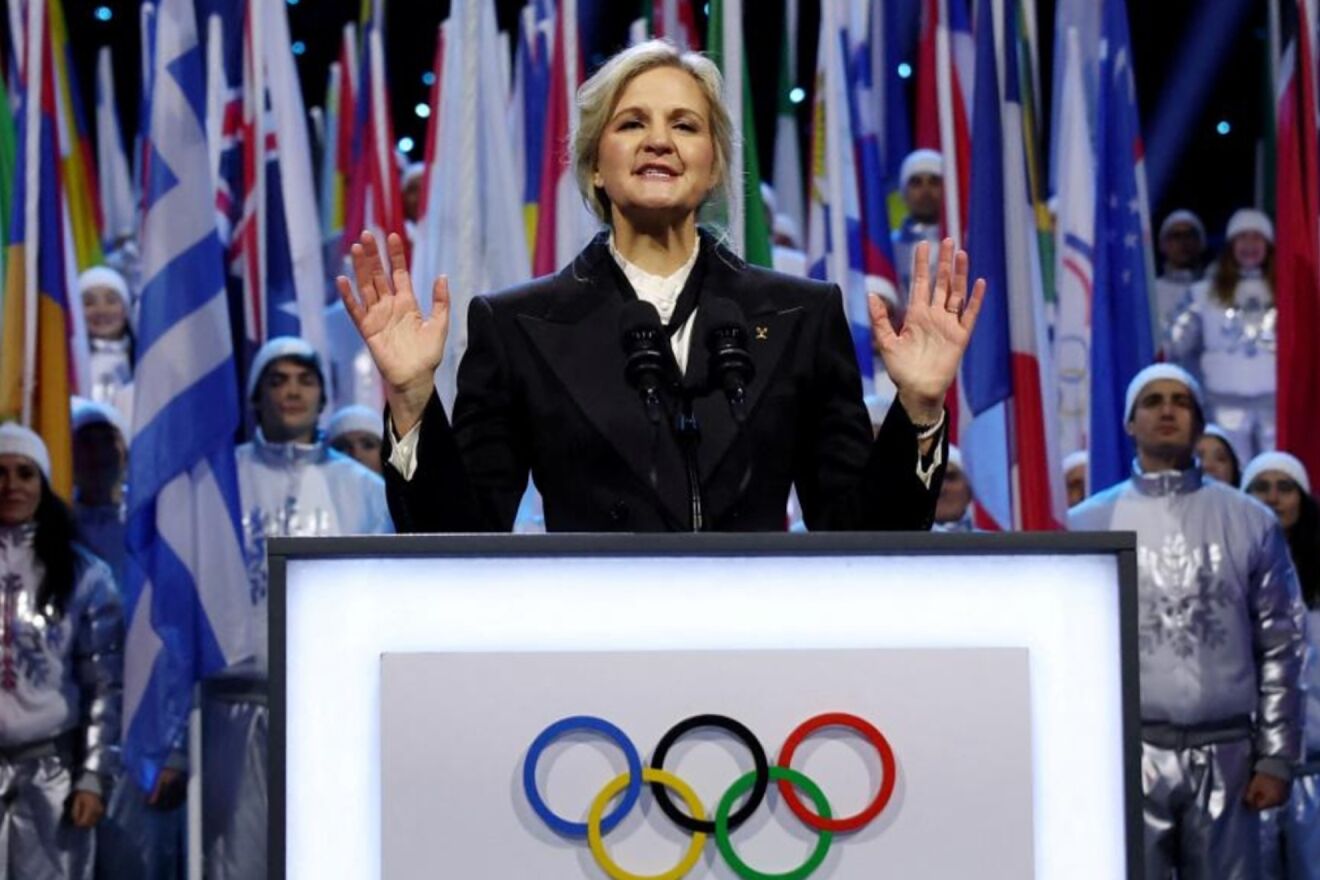
After the Executive Board of this body, the president of the IOC, Kirsty Coventry, announced that eligibility for any female category event at the Olympic Games or any other IOC event, including individual and team sports, is now limited to biological women, which is determined on the basis of a single test of the SRY gene.
Although in November 2021 the IOC's guideline was that it was up to each sport's governing body to designate the framework for the participation of trans women, new studies recently developed and various cases that sparked controversy - from the participation of weightlifter Laurel Hubbard in the Tokyo Olympics to the gender doubts surrounding Imane Khelif - have led the Olympic body to change and define the policy on eligibility in the women's category.
Female athletes will have to undergo a test for the presence of the SRY gene, and if negative, they will permanently comply with the eligibility criteria of this policy to compete in the female category. The IOC does talk about "the rare exception of athletes diagnosed with Complete Androgen Insensitivity Syndrome (CAIS) or other unusual differences or disorders in sexual development (DSD) who do not benefit from the anabolic and/or performance-enhancing effects of testosterone." Except in that case, which would be studied, no athlete with a positive SRY test result is eligible to compete in the female category in an IOC event.
It is absolutely obvious that it would not be fair for biological males to compete in the female category. Also, in some sports, it just wouldn't be safe
"As a former athlete, I strongly believe in the right of all Olympic athletes to compete in fair competition," said Kirsty Coventry. The policy we have announced is based on science and has been developed by medical experts. At the Olympic Games, even the smallest margins can make the difference between victory and defeat. Therefore, it is absolutely clear that it would not be fair for biological men to compete in the women's category. Also, in some sports, it just wouldn't be safe."

According to the IOC, thanks to recent studies, it has been agreed that "male sex provides a performance advantage in all sports and events that rely on strength, power and endurance. To ensure fairness and protect safety, especially in contact sports, eligibility should be based on biological sex".This policy is the result of an IOC review between September 2024 and March 2026, which included consideration of the IOC's policy objectives for the female category.
The Olympic body set up a working group to specifically examine scientific, medical and legal advances since 2021, with specialists in sports science, endocrinology, transgender medicine, sports medicine, women's health, ethics and law.
Non-invasive tests already carried out by federations
Before the IOC, different international federations set about implementing gender tests on athletes. A year ago, for example, World Athletics announced this measure to "tenaciously protect the female category".Thus, before the World Championships in Tokyo last September, all federations carried out tests on their athletes, a test that is carried out only once and consists of a single buccal swab or a non-invasive dry blood test.
The IOC suggests that this new policy should be "adopted by international federations and other sports governing bodies, such as National Olympic Committees, National Federations and Continental Associations". It replaces the previous guidelines of the top Olympic body. However, the IOC makes it clear that this policy does not affect grassroots or recreational sport.