- Tickets. Get the best tickets for NFL, NBA, WNBA, MLB games and more on Tickets MARCA
- NFL. Patrick Mahomes could lose a key player: Chris Jones may leave the Chiefs this season
When the NFL unveiled the logo for Super Bowl LXI, it didn't take long for fans to begin dissecting every detail. For a league that thrives on spectacle and narrative, even the color palette of its championship branding has become reason for speculation.
This time, green and orange dominate the wave-inspired design - and that's been enough to spark a surprising surge in betting interest around a matchup few would have predicted months ago.
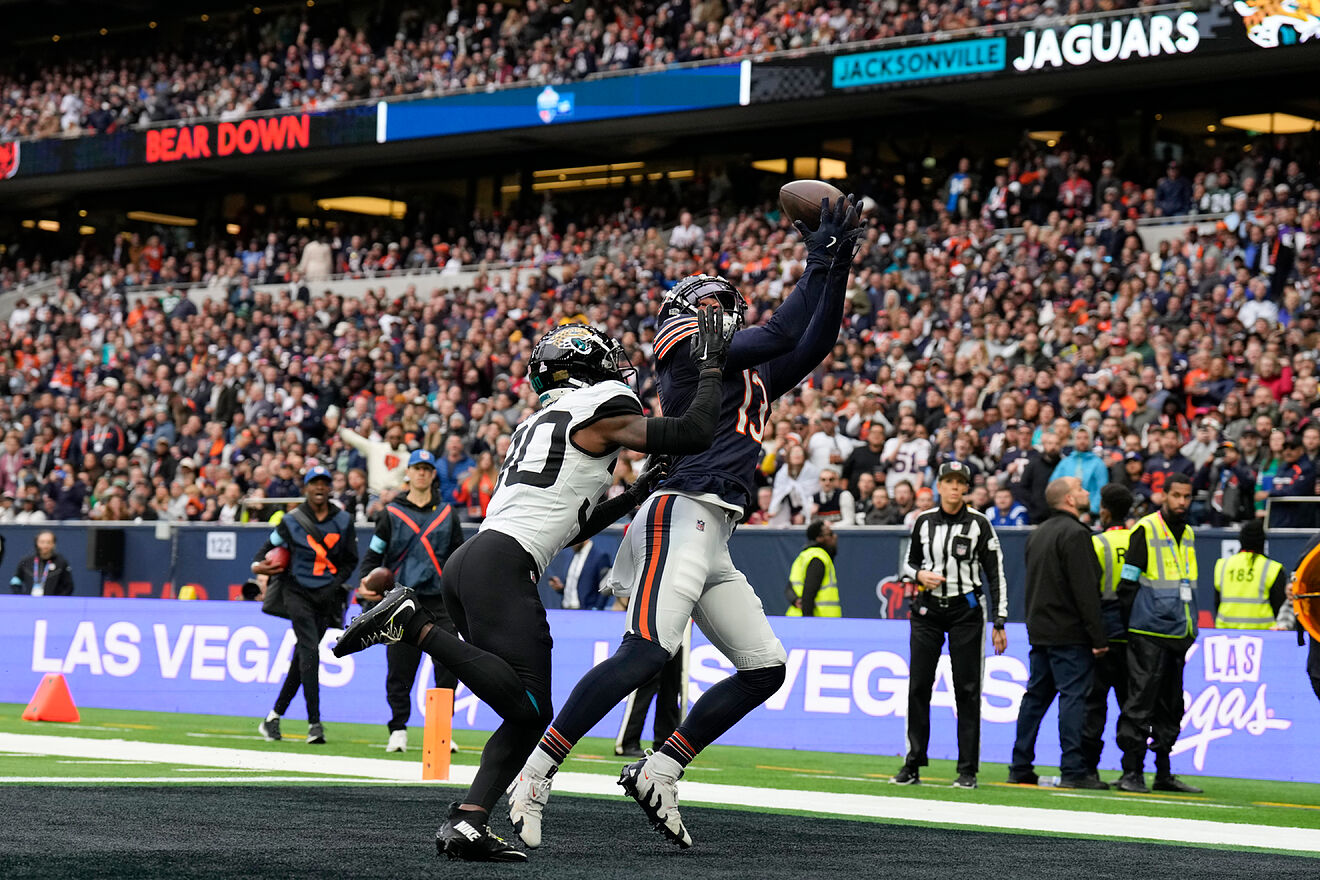
The Chicago Bears and the Jacksonville Jaguars, two franchises not typically penciled into early Super Bowl projections, are suddenly drawing attention. Not because of blockbuster offseason acquisitions or overwhelming title odds, but because their team colors appear to align neatly with the hues featured in the Super Bowl LXI logo.
Of course, the NFL has long faced playful - and sometimes serious - accusations that it nudges storylines to maximize television ratings.
There's no evidence that Commissioner Roger Goodell or league executives are secretly scripting outcomes or predetermining a season's arc. Still, the idea of a hidden "script" has become a running joke among fans, particularly in the social media era where patterns are endlessly analyzed and amplified.
The color conspiracy began gaining steam in recent years, and it all started when the league moved away from its minimalist silver logos that had dominated for a decade. Super Bowl LVI marked the first time multiple vibrant colors were incorporated into the design in a way that seemed tied to its host city.
That Los Angeles edition featured sunset-inspired tones of orange and red - shades fans insisted foretold a matchup between teams with similar palettes.
As with most theories, correlation was mistaken for causation. But the idea gained traction when subsequent logo schemes seemed to align, however loosely, with the teams that appeared in the game.
Momentum behind the theory wavered at times, especially when Super Bowl matchups didn't neatly correspond with logo hues, but believers remained undeterred.
Betting trend fueled by color
Now, with Super Bowl LXI's green-and-orange aesthetic front and center, speculation has resurfaced with fresh intensity. Several teams fit that description - the Miami Dolphins are one of the most obvious examples - yet bettors appear particularly intrigued by the idea of the Bears and the Jaguars squaring off on football's biggest stage.
According to odds data from DraftKings, a Chicago versus Jacksonville Super Bowl matchup has emerged as the most popular wager since the logo was revealed. It's a striking development considering neither franchise entered the offseason as an overwhelming favorite.
The Bears, long synonymous with iconic defense but limited offensive firepower in recent years, would be a surprise contender. Meanwhile, the Jaguars have shown flashes of potential but have yet to break into the true elite tier of the league.
The Bears' navy and orange and the Jaguars' teal and black can both be loosely interpreted within the logo's palette, giving conspiracy-minded fans enough overlap to justify a longshot bet.
Add in the fact that Super Bowl LXI will be played at SoFi Stadium, a venue known for its striking architecture and cinematic backdrop, and the narrative practically writes itself for those inclined to see patterns.
Is there any legitimacy to the idea that logo designers are tipping the league's hand? Almost certainly not. But in an NFL world where entertainment and unpredictability collide, even a splash of color can move betting markets.