- TICKETS Get the best NFL seats in Tickets MARCA
- Super Bowl Why these 12 NFL franchises have never won a Super Bowl
- Cleveland Browns Kevin Stefanski held nothing back and responded to Baker Mayfield; their relationship with the Cleveland Browns is broken
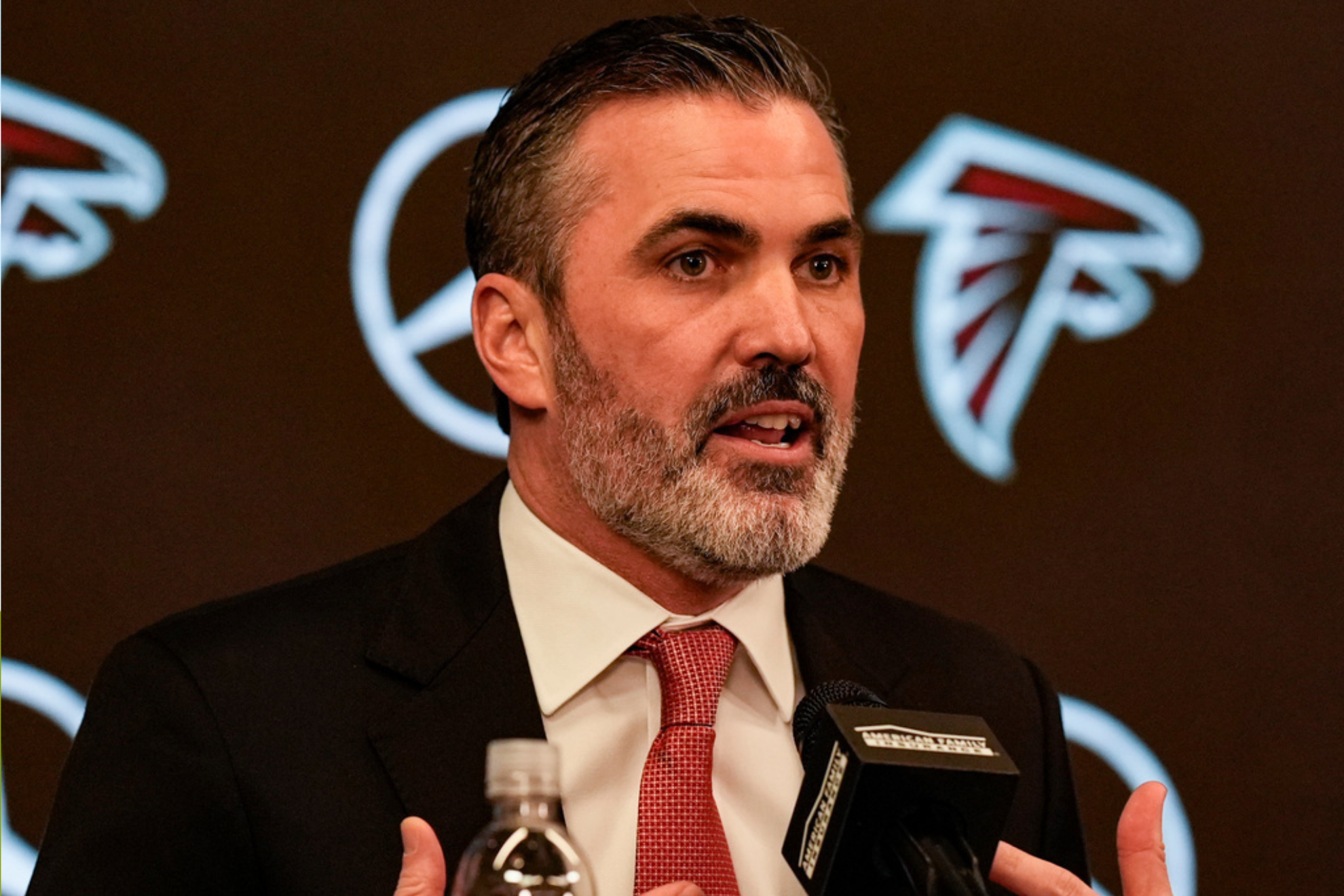
Former Kevin Stefanski, now the head coach of the Atlanta Falcons, recently shared candid thoughts about his time developing quarterbacks Shedeur Sanders and Dillon Gabriel during his final season with the Cleveland Browns. In his first major broadcast appearance since the Browns fired him after the 2025 season, Stefanski spoke honestly about what he saw in both young signal-callers and how that experience shapes his outlook in Atlanta.
Stefanski's comments came during an appearance on the Dan Patrick Show, where he addressed questions about his Cleveland tenure and the transition to a new franchise. Rather than dwell on past struggles, the coach emphasized respect for the quarterbacks he coached and the challenges of guiding rookies in a high-stakes NFL environment.
I loved coaching those guys. I loved coaching them, they gave everything they had, and I'm proud of the progress they made.
Related:
- Super Bowl 2026: Date, time, location, and everything to know
- Where to watch the Super Bowl 2026? TV channel and streaming
- Super Bowl Halftime Show 2026: Everything about Bad Bunny's performance
- How much do tickets for the Super Bowl cost in 2026?
- Super Bowl Winners List: All teams that have won the Vince Lombardi
Stefanski's honest take on Sanders and Gabriel
Stefanski's praise for both players was notable given the intense scrutiny surrounding their performances in Cleveland. Sanders, the son of Hall of Famer Deion Sanders, was a fifth-round pick who eventually became the Browns' starter late in the season. Despite strong flashes - including a rare 364-yard passing game that put him alongside some of the league's top rookie efforts - his overall rookie campaign was inconsistent.
In contrast, Dillon Gabriel was selected higher in the draft (third round) and saw starting time earlier in the season. Gabriel threw for nearly 1,000 yards and seven touchdowns in his first NFL action, although he struggled to earn wins.
Stefanski's willingness to speak warmly about both quarterbacks, despite the ups and downs, is a sign of his coaching philosophy, one that values growth and effort even in turbulent seasons.
They worked hard. They competed. That's all you can ask.
While Stefanski made it clear he would never publicly criticize players, he acknowledged that quarterback development is complex and influenced by many factors - including coaching schemes, surrounding talent, and opportunity.
Stefanski and a new beginning in Atlanta
Stefanski's comments come as he prepares to lead a rebuilding Falcons team that has not made the playoffs since 2017. His hiring followed a lengthy head-coach search in Cleveland, and the move to Atlanta represents a fresh start after he was dismissed with a 45-56 record over six seasons.
Despite the challenges in Cleveland, Stefanski's résumé includes two AP NFL Coach of the Year awards, and he arrives in Atlanta with solid backing from ownership and a coaching staff ready to implement his vision.
In discussing his former quarterbacks, Stefanski also hinted at how that experience will inform his approach with new players in Atlanta: prioritize development, be patient with young talent, and always focus on growth.
The fun part of coaching is developing players and giving them the tools to improve. When you embrace that, good things happen.
What this means for the Falcons and QBs everywhere
Stefanski's comments underscore that even high-profile rookies need time and support to reach their potential. His honest reflection on Sanders and Gabriel will likely resonate with NFL fans and players alike, offering insight into how elite coaches evaluate development beyond stats and win-loss records.
As Stefanski begins his Falcons era, his experience molding quarterbacks in Cleveland may prove invaluable, not just for Atlanta's offense but for how the league views patient, process-driven coaching.