- TICKETS. Get the best NFL seats in Tickets MARCA
- Cleveland Browns. Joe Flacco hates Shedeur Sanders' generation: Has the NFL - and the world - become soft?
- Super Bowl. NFL stars go 'Pitch Perfect': Kittle, Robinson, Mailata and Devine surprise fans at the Super Bowl
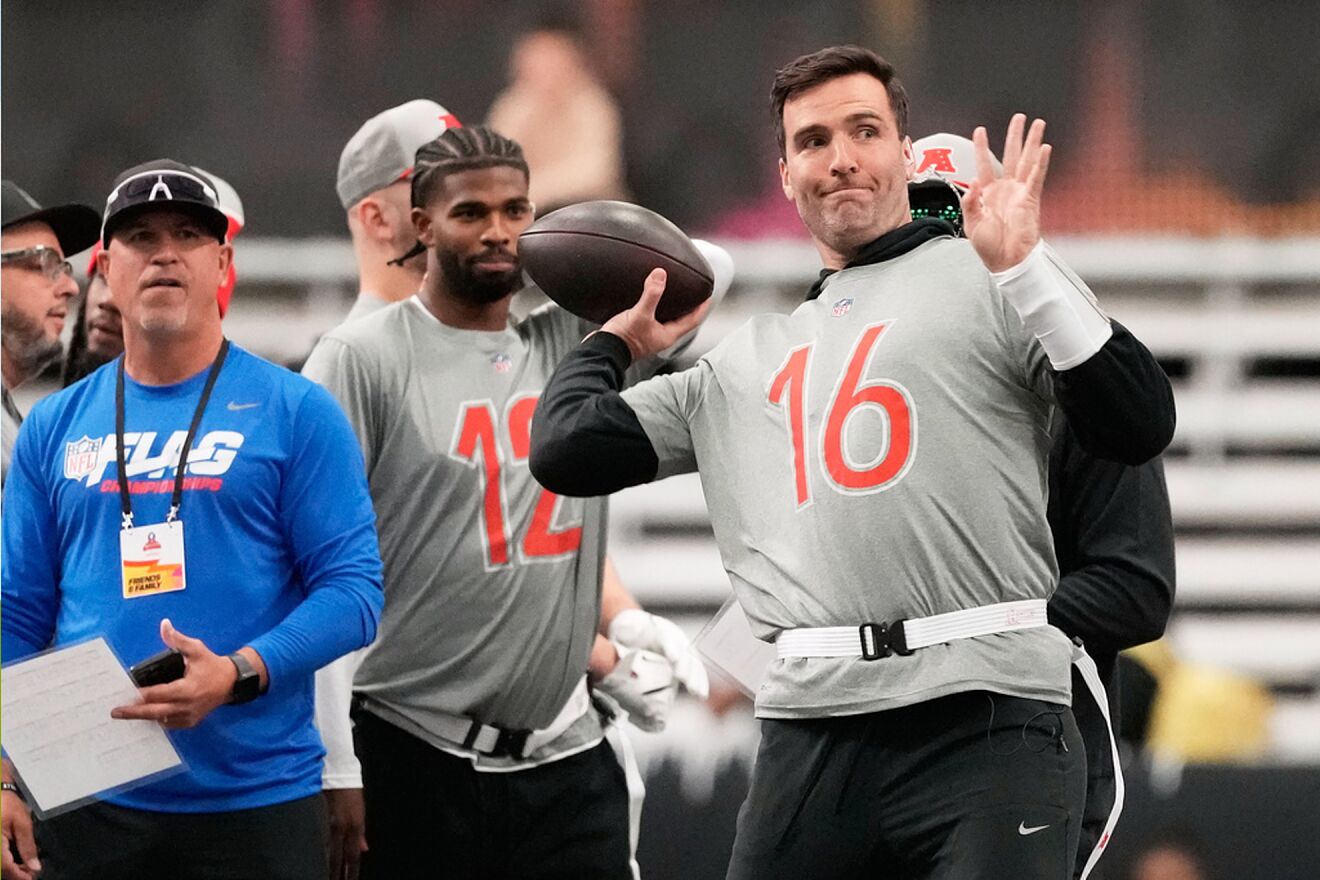
Veteran quarterback Joe Flacco has never hidden his old-school outlook on football. Now 41, the Super Bowl-winning passer says the NFL's recent emphasis on limiting contact-especially penalties that protect quarterbacks-has gone too far.
Speaking ahead of Super Bowl week in an interview with ESPN's Kevin Clark, Flacco questioned how certain roughing-the-passer calls are decided and how they affect outcomes.
I don't think it should be roughing the passer when they land on us, I don't think being slapped in the head should be roughing the passer. It honestly annoys me because it affects games in negative ways at random times.
Flacco's comments come amid the league's continued focus on player safety and head-injury prevention, a push that has reshaped officiating standards over the past decade.
These 15-yard penalties... they change games.
Related:
- Super Bowl 2026: Date, time, location, and everything to know
- Where to watch the Super Bowl 2026? TV channel and streaming
- Super Bowl Halftime Show 2026: Everything about Bad Bunny's performance
- How much do tickets for the Super Bowl cost in 2026?
- Super Bowl Winners List: All teams that have won the Vince Lombardi
Flacco argued that some personal foul calls-particularly those that result in automatic first downs-can swing momentum in ways that don't match the spirit of the play.
"These 15-yard penalties in big situations that really shouldn't be penalties in the game of football-they change these games," he said. "As a fan, I just don't like it. I want it to be up to us. Getting slapped in the face should not change the game. It really shouldn't."
The quarterback acknowledged that his stance may not sit well with younger players and fans, especially in an era where concussion awareness and CTE research have influenced league policy.
"I know CTE is a thing," Flacco admitted, adding that younger generations "look at [him] like [he's] crazy."
Still, he believes the balance between safety and competitive integrity has tilted too far toward over-officiating.
Defense, fines, and a different NFL
Flacco also pointed to how stricter enforcement has changed defensive play across the league. In his view, defenders hesitate in situations where they once would have committed fully to a tackle.
"Guys can't even play defense as aggressively, because they're getting fined so much money for just normal hits," Flacco said. "It's changed the game a lot."
He suggested that newer players enter the league without experiencing the same physical demands that defined earlier eras.
"They're not quite as battle-tested," he added.
Flacco understands that the NFL is unlikely to reverse course. The league's safety initiatives are now deeply embedded in rules, training, and officiating philosophy. But he maintains that football, by nature, involves risk that players knowingly accept.
"Listen, we signed up to get concussions," Flacco said. "We signed up to get hurt. It is what it is. You might not like that, but that's what we kinda did when we decided to play this game."
Whether fans agree or disagree, Flacco's perspective highlights an ongoing debate inside the sport: how to preserve football's physical identity while protecting the athletes who play it.