- NFL Get the best tickets for NFL, NBA, WNBA, MLB games, and more on Tickets MARCA!
- NFL Who is Emma Rodriguez, wife of new Dolphins player Jacob Rodriguez and Army Black Hawk helicopter pilot?
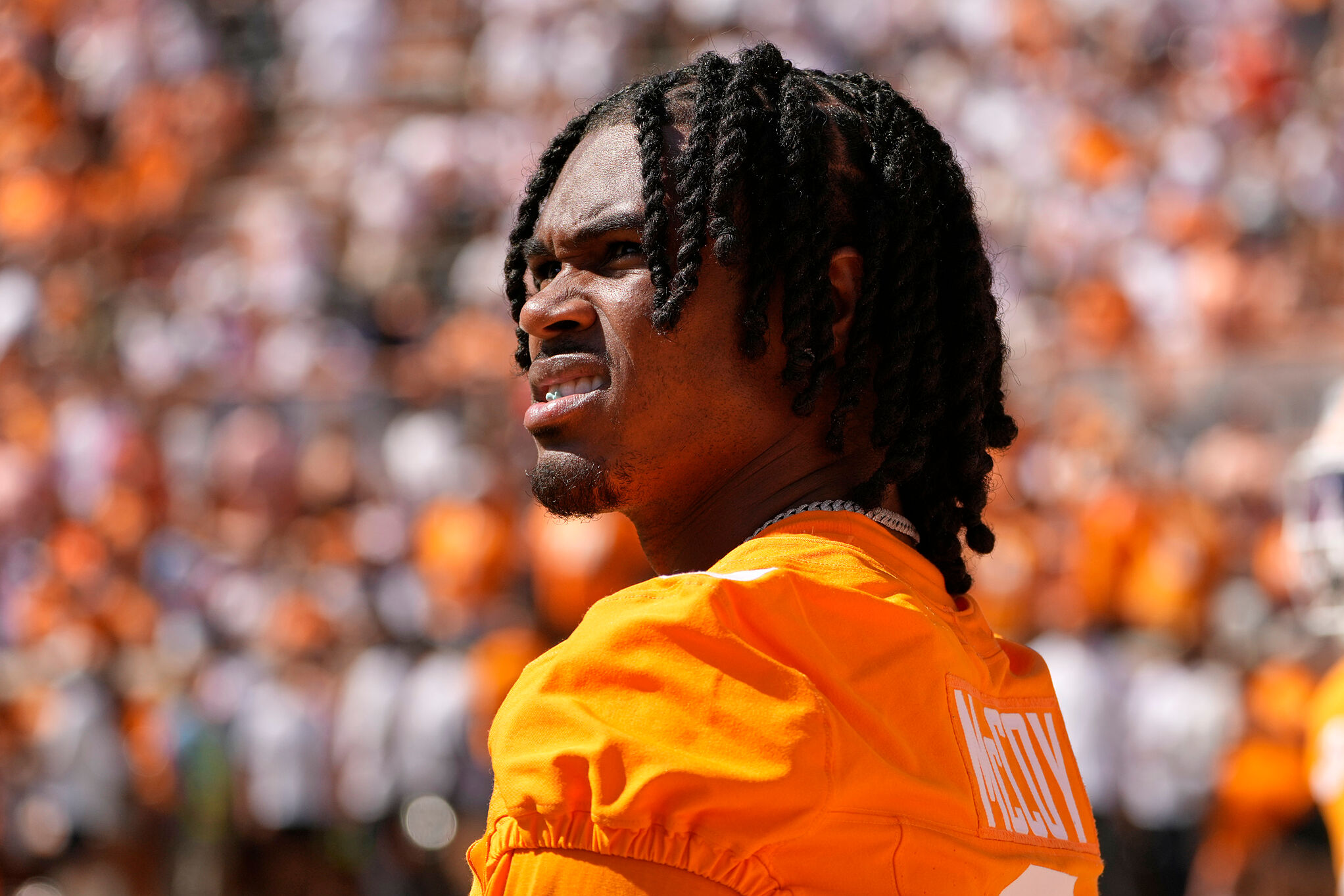
Every NFL Draft has its unexpected storyline, and in 2026, few have been more surprising than the dramatic slide of Jermod McCoy. Once viewed as a potential first-round pick, the Tennessee cornerback found himself still waiting for his name to be called after the top 100 selections, a fall that has drawn comparisons to Shedeur Sanders' headline-grabbing slide a year ago.
For a player widely considered one of the most talented defensive backs in the class, the drop has left analysts and fans stunned. McCoy entered the draft process with top-15 buzz, backed by elite production and physical traits that projected him as an immediate contributor at the next level.
Instead, he has become the defining "how is he still available?" story of this year's draft.
From first-round lock to Day 3 uncertainty
McCoy's resume alone explains why his fall has been so difficult to comprehend.
The 6-foot-1 cornerback earned All-American honors in 2024 after a standout season with Tennessee, showcasing elite ball skills, physical coverage and the ability to change games in the secondary.
But the turning point came in early 2025, when McCoy suffered a torn ACL that sidelined him for the entire season.
While his recovery appeared to progress well, concerns began to surface among NFL teams regarding the long-term stability of his knee.
Reports indicated that the issue extended beyond the ACL itself, with questions surrounding a bone plug used during surgery and the possibility of further procedures down the line.
That uncertainty has proven enough to push teams away, at least in the early rounds, despite the player's undeniable talent.
Why teams are still hesitant despite elite talent
According to league insiders, McCoy is still viewed as a first-round caliber player when healthy. One report described him as "a first-round talent" whose slide is driven almost entirely by medical concerns rather than on-field ability.
That makes his situation eerily similar to other high-profile draft slides in recent years, where injury risk outweighed potential upside for teams making early-round investments.
The concern is not about whether McCoy can play, scouts have already seen his ability at a high level but whether he can sustain that level over the long term. For franchises, particularly those picking early, that uncertainty becomes a significant gamble.
Still, heading into Day 3, McCoy remained one of the highest-ranked players left on the board, underlining just how unusual his situation has become.
The Shedeur Sanders comparison and what comes next
The comparison to Shedeur Sanders is less about position and more about narrative.
Like Sanders last year, McCoy has become the unexpected focal point of draft coverage, with every passing pick raising more questions about why he continues to slide.
History suggests that players in this position often become value picks once the risk-reward balance shifts later in the draft. For teams selecting on Day 3, the potential payoff far outweighs the reduced financial commitment.
For McCoy, the next step is simple: hear his name called and prove that the concerns surrounding him were overstated.
If he can return to full health, there is little doubt he has the tools to outperform his draft position, and perhaps turn one of the draft's most puzzling stories into one of its biggest steals.