- Tickets MARCA. Get tickets for sporting events, concerts and more at Tickets MARCA
- NCAA. Azzi Fudd turns heads in stunning swimsuit photos: A new side of the basketball star
- NCAA. Women's March Madness 2026 Bracket and Schedule: Today's games, results, and standings in the Sweet 16
There's a different energy around Chapel Hill these days.
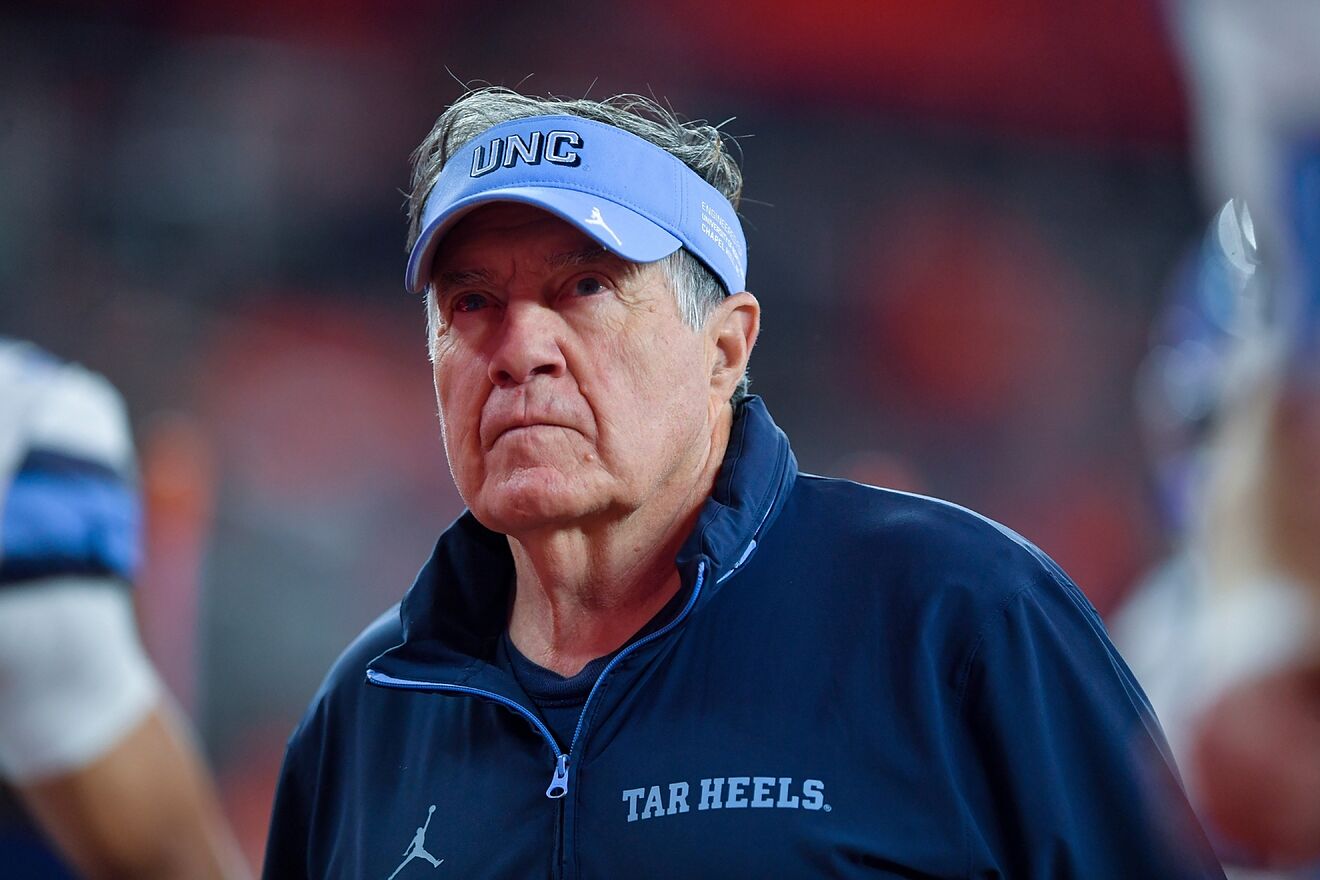
The university made a bold move by hiring Bill Belichick on a reported $10 million annual deal and backing the program with close to $20 million in NIL funding, a dramatic jump from what Mack Brown had available during his tenure.
For a school long known for basketball dominance, that kind of investment signals a real shift.
Under Brown, especially before NIL took hold in 2021 through the NCAA, the football program operated with more modest resources.
Recruiting relied heavily on development rather than financial leverage, and the approach reflected a different era of college athletics.
That changed quickly. With Belichick's arrival, UNC stepped into the same high-stakes environment as programs like the Ohio State Buckeyes and Miami Hurricanes, where aggressive NIL strategies have become the norm, according to reporting from ESPN. The message was clear: compete now, and spend to do it.
Brown speaks, and the reaction follows
Brown didn't ignore the contrast. During a March 26 appearance on Jon Gruden's podcast, he openly discussed the difference in support.
"They found $20 million more for NIL than they had for me," he said, while also noting that academic standards had been adjusted. That point, more than anything else, stirred debate among fans and alumni.
He later clarified that his comments were meant as recognition of the program's commitment, not criticism of Belichick himself. Still, the reaction came quickly, showing how sensitive the transition has been.
Brown's legacy at UNC remains intact. He is still the program's winningest coach, with 12 bowl appearances and three 10-win seasons, even without capturing an ACC title.
Big investment, limited return so far
The numbers on the field have not matched the financial push, at least not yet. UNC finished the 2025 season at 4-8, with losses to programs like NC State, TCU, and Wake Forest.
That gap has become part of the broader conversation around college football. Money can accelerate change, but it does not guarantee immediate results, especially when a roster is being rebuilt through transfers and new systems.
Belichick has kept his focus steady. Speaking ahead of spring practice on March 24, 2026, he made it clear where his attention is.
"I'm focused on coaching this team and getting Carolina football to the highest level I can," he said.
A defining stretch for UNC football
There are signs the program is trying to turn the corner. UNC brought in the No. 17-ranked recruiting class for 2026 and added 20 transfer players to strengthen the roster.
The expectations, however, have changed just as quickly as the investment. What once counted as progress now feels like a baseline. Donors, administrators, and fans are looking for visible improvement, not just long-term potential.
The upcoming season will offer a clearer answer. UNC has committed the resources, reshaped its identity, and handed the reins to one of the most accomplished coaches in football history. Now, the focus shifts to whether all of that can come together on the field.
Sources: This article is based on verified public comments from Mack Brown and Bill Belichick, historical UNC program records, and widely reported NIL investment figures referenced by ESPN and NCAA-related coverage. Figures reflect current estimates within the evolving college football landscape.