- US News. The real reason why NASA's lost Apollo 11 moon tapes were erased - and what still exists today
- Movies. What does NASA make of sci-fi films... how realistic are they?
Headlines about a NASA spacecraft plunging back to Earth have sparked concern online, with many people wondering whether debris could land nearby or pose a real danger.
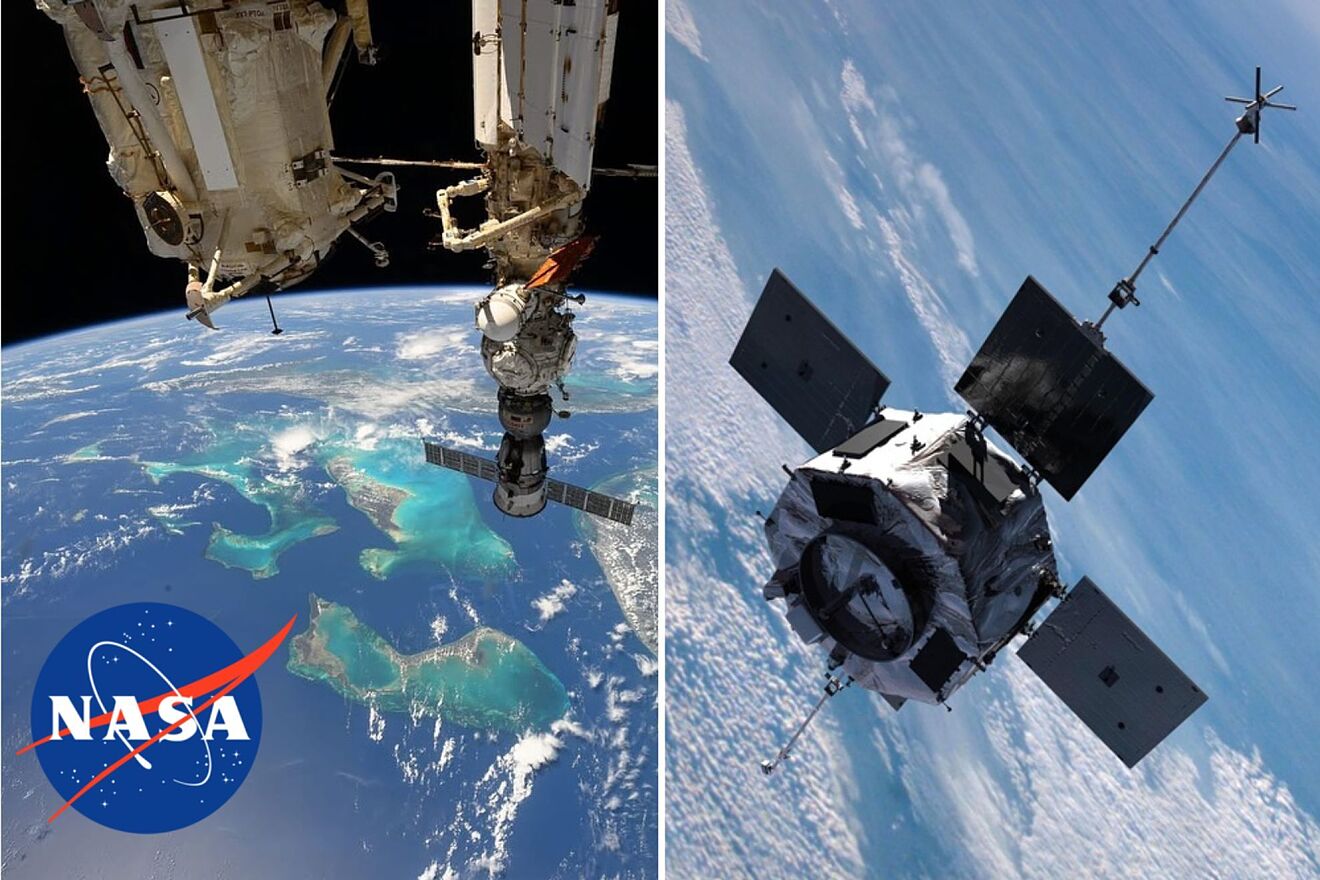
The spacecraft at the center of the attention is Van Allen Probe A, a satellite launched by NASA to study the radiation environment surrounding Earth. While the idea of a satellite falling from space may sound alarming, scientists say the real risk to people is extremely low.
Why the spacecraft is returning to Earth
Van Allen Probe A was launched in 2012 as part of the Van Allen Probes mission, which studied the Van Allen radiation belts - two regions of charged particles trapped by Earth's magnetic field. These belts play an important role in protecting the planet from harmful solar and cosmic radiation.
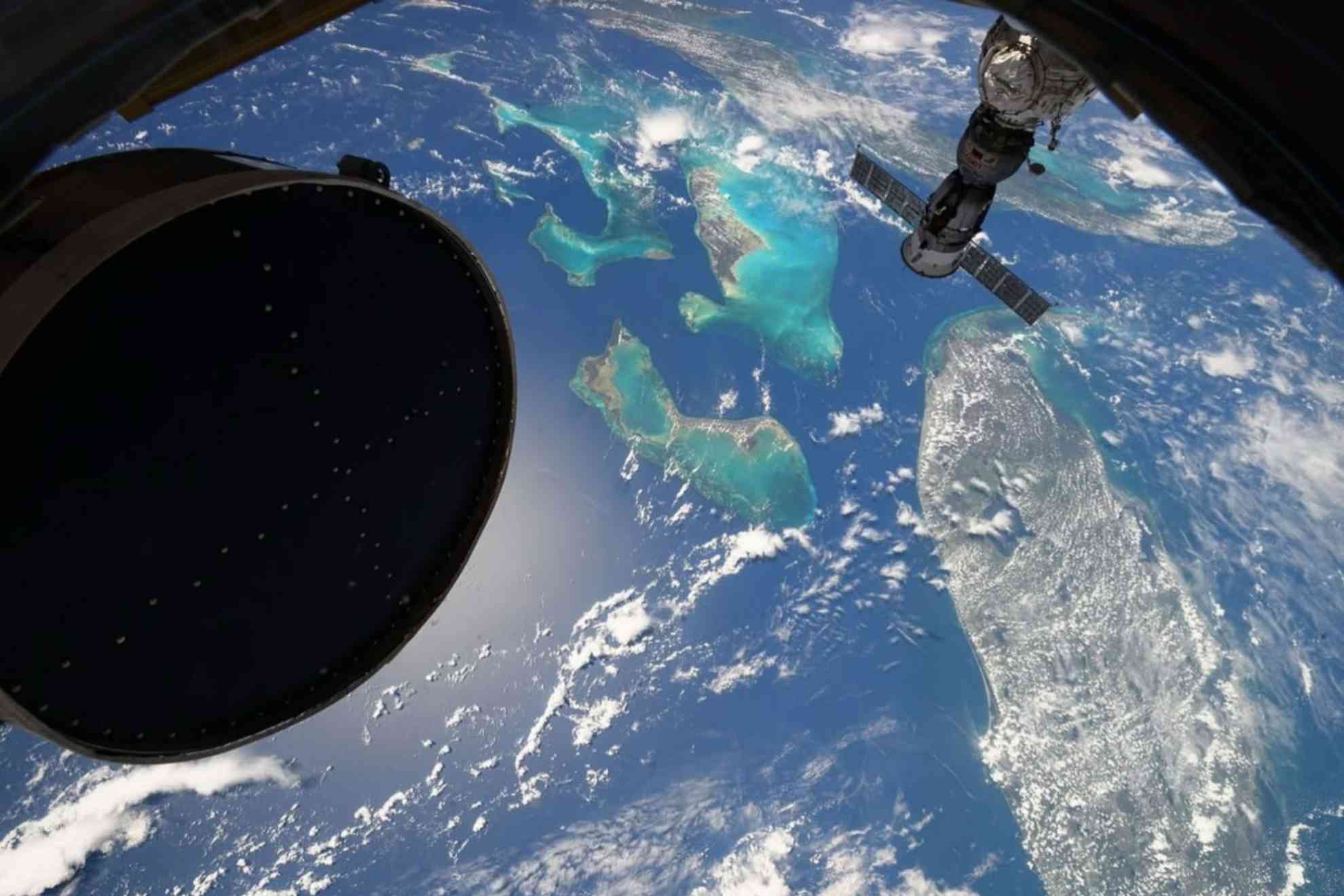
After the mission ended in 2019, the spacecraft remained in orbit. Over time, however, atmospheric drag gradually slowed it down and pulled it closer to Earth. According to NASA, increased solar activity during the current solar cycle has expanded Earth's upper atmosphere slightly, creating more drag and accelerating the spacecraft's descent.
What actually happens during reentry
When a spacecraft re-enters the atmosphere, it experiences extreme heat as it collides with air molecules at high speed. In most cases, the majority of the spacecraft burns up long before reaching the ground.
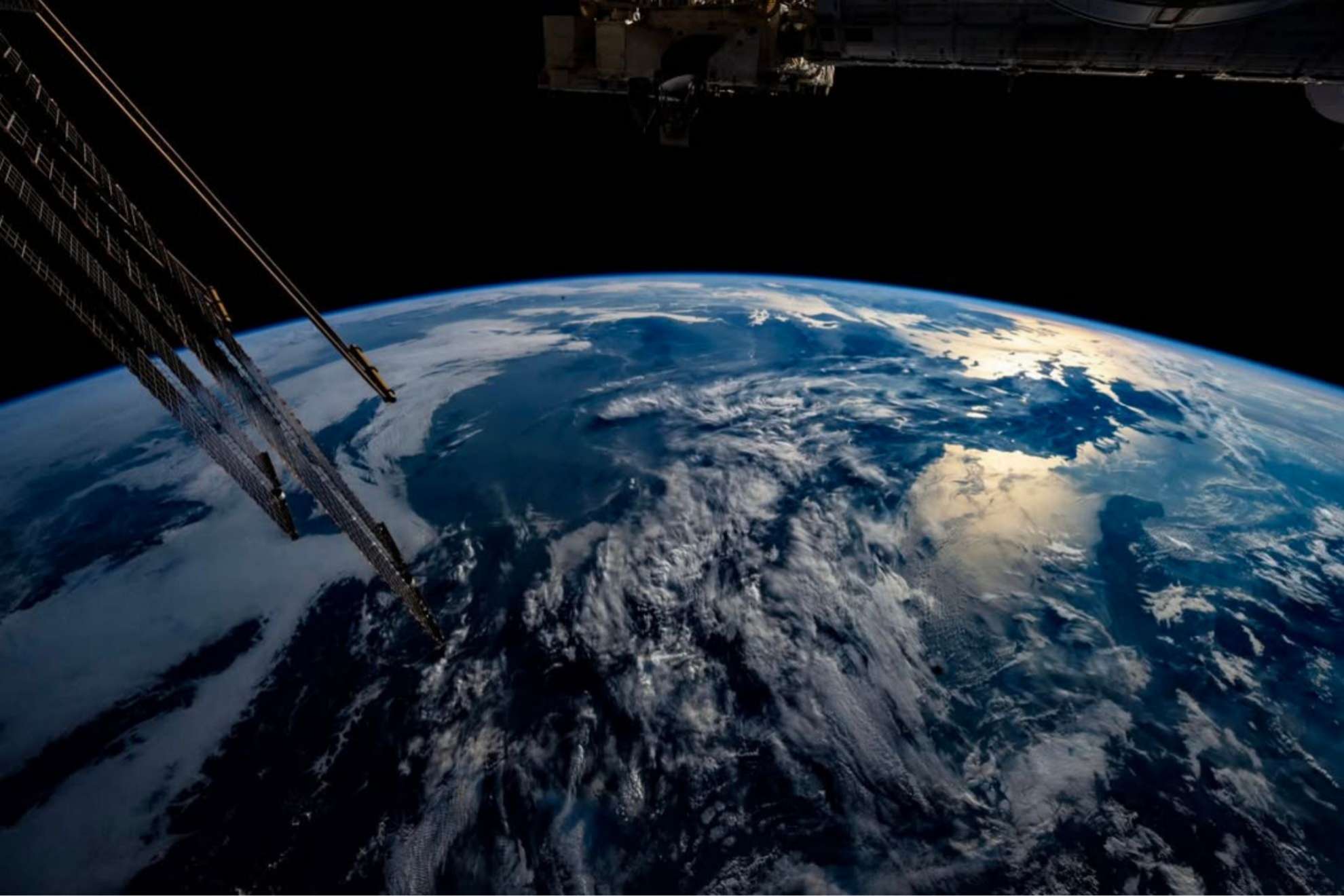
Van Allen Probe A weighs about 1,300 pounds, but only some small pieces made from heat-resistant materials could potentially survive the fiery descent. Those fragments would likely fall along a long path across the planet, and most of Earth's surface is ocean or uninhabited land.
The real risk to people
Despite the dramatic headlines, NASA says the odds of debris causing harm are very small. The agency estimates the probability of someone being struck by a fragment is about 1 in 4,200.
For context, many satellites and pieces of space debris re-enter Earth's atmosphere every year, and there has never been a confirmed case of someone being injured by falling satellite debris.
Why events like this create public concern
Even though the risk is extremely low, uncontrolled spacecraft reentries tend to attract widespread attention. Part of the reason is the uncertainty involved. Because the spacecraft is no longer actively controlled, scientists cannot predict the exact location where any surviving debris might land until shortly before - or even after - reentry occurs.
That uncertainty often fuels speculation online, even when experts say the situation is routine.
A mission that already exceeded expectations
Long before its return to Earth made headlines, Van Allen Probe A had already accomplished its main scientific goals. The mission was originally designed to last about two years but operated for several years, gathering valuable data about space weather and Earth's radiation environment.
Researchers still rely on that data today to:
- better understand how solar activity affects satellites
- navigation systems
- communications networks
- power grids on Earth
Now, after more than a decade in orbit, the spacecraft's final chapter is simply part of the natural lifecycle of many satellites.